
Ultimate Ranthambore Tiger Sanctuary Guide | Safari Tips
- ranthamboretigerma
- May 27
- 5 min read

The crisp morning air carries a strange tension just before the jungle wakes up completely. Leaves rustle, birds quiet down, and a sudden deer bark signals that a massive predator is on the move. For anyone who loves the natural world, nothing matches the sheer excitement of tracking a Bengal tiger through dry desert forests. It is an experience that stays with you forever.
Yet, turning this dream holiday into a reality takes a bit of work. Many travelers rush into their journey without understanding how the local tracking rules or vehicle systems actually operate. Researching the Ranthambore Tiger Sanctuary before you leave home saves you from major headaches later on. Here is how you can set up a perfect, stress-free wilderness tour from scratch.
The Unique Terrain of the Desert Forest
This protected reserve features a genuinely striking landscape that you will not find anywhere else in India. The park sits right where two ancient mountain ranges meet, creating deep rocky drops, flat-topped hills, and massive lakes. This varied terrain provides the perfect hunting ground for big cats.
While tigers dominate the local headlines, the dense brush hides an incredible variety of other animals. You can easily spot stealthy leopards, lazy sloth bears, striped hyenas, and giant marsh crocodiles resting along the muddy banks. The catch? The forestry department divides the tracks into ten separate loops to protect the environment, and your vehicle cannot leave its assigned path.
Spotting Big Cats: The Seasonal Guide
When should you plan your road trip to get the absolute best views? The reserve functions on a strict weather calendar that changes the landscape completely every few months. If you do not track these changes, you might end up missing the wildlife entirely.
The winter months from October to February bring gorgeous green scenery and cool, comfortable afternoon breezes. It is the most popular time to visit, but getting vehicle entry slips requires booking months ahead. Here's the part most guides skip: if you want the highest chance of seeing a tiger, visit between March and May. The intense summer heat dries up the small forest pools, forcing animals to gather around the major lakes all day long.
Mastering the Online Booking Systems
Securing your entry slots can feel incredibly confusing if you do not know how the system works. The local government runs all bookings through a single internet portal, and popular weekend slots sell out almost instantly.
You have to choose between two main vehicle styles for your forest drives. The smaller open-top Gypsy holds six people and moves quickly through narrow mountain gaps, making it the top choice for professional wildlife photographers. The larger Canter holds twenty people and offers a more budget-friendly way to explore the valleys. Worth knowing: rangers check your official physical identity cards at the gate, so you must carry the exact document you used online.
Choosing the Ideal Jungle Resort Ranthambore
Your choice of lodging can completely make or break your wilderness experience. Selecting a hotel that sits too far from the entry gates means waking up in the pitch dark and wasting precious tracking time sitting in highway traffic. You want to stay right where the forest action is.
A well-placed Jungle Resort Ranthambore keeps you completely tuned into the sounds of the night. The finest places offer access to skilled, in-house naturalists who can read footprints and explain animal behaviors before your morning drive even begins. Resting by an open fire after a long, dusty trail ride adds an extra layer of comfort to your desert holiday.
Discovering Comfort on the Forest Edge
Many commercial hotels build towering concrete structures that ruin the natural feel of the countryside. True nature lovers avoid these loud, modern blocks. They prefer low-impact, classic designs that match the historical charm of old Rajasthani hunting camps.
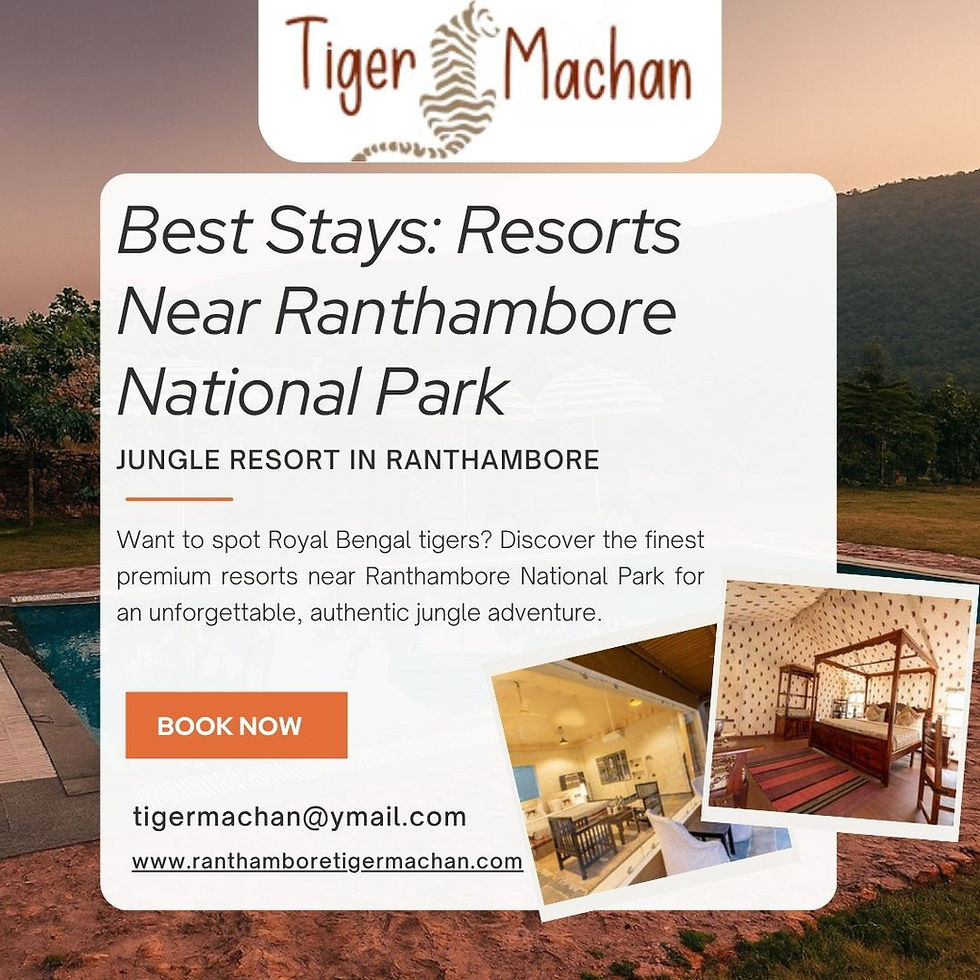
If you want a truly immersive stay, the premium living spaces at Tiger Machan offer an ideal mix of comfort and raw nature. Located right near the main safari routes, this peaceful spot features traditional Maharaja tents and stone cottages surrounded by native trees. The team organizes live folk music sessions, stargazing nights, and local farm walks to show you the authentic side of rural life between your daily trail drives.
The Ancient History Standing Among the Trees
The rich collection of wild animals is only one part of this incredible destination. Standing high on a rocky cliff right inside the park boundaries is a massive stone fortress with a history stretching back over a thousand years. It is an official UNESCO World Heritage Site that feels completely untouched by time.
Taking a morning break from your vehicle to hike up the ancient fort paths is highly recommended. At the top, you will find the historic Trinetra Ganesh Temple, where local families still mail wedding invitations to receive divine blessings. Looking out from the high stone walls gives you a breathtaking bird's-eye view of the lakes and valleys spreading out below.
Packing Essentials for a Smooth Safari
Bringing the right gear ensures you stay safe and comfortable during hours spent driving in an open vehicle. The early morning forest air can feel surprisingly freezing, even during the hot summer months, because the thick tree canopy completely blocks out the early sun.
Dress in smart layers so you can adjust easily as the bright desert sun warms up the valleys. Choose dull, earthy clothes like khaki, olive green, brown, and tan so you do not startle the sensitive deer herds. Bright neon colors can ruin a good sighting. That's not all; always bring high-quality binoculars, a wide hat, face scarves for trail dust, and plenty of drinking water.
Following the Rules of the Wild Tracks
A nature reserve is a protected sanctuary for wild animals, not a casual theme park. Your local guides and drivers must follow strict conservation laws to keep both humans and animals perfectly safe. Making loud noises or standing up suddenly can scare a shy tiger back into the deep brush instantly.
Always remain completely seated while your vehicle is stopped near wildlife. Moving around rapidly makes animals view your jeep as a shifting threat instead of a harmless metal shape. Never drop trash or plastic containers onto the dirt pathways. It adds up to heavy corporate fines and damages the local ecosystem. Listen to your naturalist to enjoy a safe, memorable, and respectful journey.
Conclusion: Memories That Never Fade
Stepping into the heart of the Indian wilderness changes your perspective on the natural world forever. The deep silence of the valleys, the sudden alarm calls of monkeys, and the sight of a big cat walking calmly past your track create unforgettable moments.
Thoughtful preparation is the real secret to an amazing Rajasthan vacation. By booking your entry passes early, selecting a great lodge near the gates, and respecting the local park laws, you ensure a wonderful trip. Pack your bags, leave your worries behind, and prepare to experience the true, untamed spirit of the desert.
Frequently Asked Questions (FAQs)
1. How many forest drives should I plan for my trip?
You should aim to book at least three or four separate safari drives. Since animal sightings rely entirely on luck and changing weather, taking multiple trips across different zones increases your odds of a great view.
2. What makes zones 1 to 5 different from zones 6 to 10?
Loops one through five form the historical core of the reserve and feature large natural lakes where tigers hang out. Loops six through ten cover the scenic buffer hills and feature ancient ruins, quiet valleys, and a steadily growing animal population.
3. Are the tented lodges safe for family travelers?
Yes. Professional wilderness resorts use strong perimeter fencing, constant security guards, and modern amenities to keep families completely safe while allowing them to enjoy the realistic sounds of the evening jungle.


Comments